Hello and welcome back to my blog foodoneed.blogspot.com - Food Is Medicine.Today we will read about the 5 important food groups which we add in pur daily diet.
More information on the Five Food Groups:
Fruits:

Choose fruits from these different fruit categories:
Apple, orange, banana, pear and grapes.
Pome fruits such as apples and pears
Citrus fruit such as oranges, mandarins and grapefruit
Stone fruit such as apricots, cherries, peaches, nectarines and plums
Tropical fruit such as bananas, paw paw, mangoes, pineapple and melons
berries
Other fruits such as grapes and passionfruit.
Grains:

The main sub-groups are:
Breads - Wholemeal, wholegrain, white, rye, pita, lavash, naan, focaccia, crispbreads, damper
Breakfast Cereals - Ready to eat, high fibre (wholegrain) oats, porridge, muesli, wholewheat biscuits
Grains - Rice, barley, corn, polenta, buckwheat, spelt, millet, sorghum, triticale, rye, quinoa, semolina
Other products - Pasta, noodles, English muffin, crumpet, rice cakes, couscous, bulgur, popcorn, flour.
Meat, Poultry, Legumes & Nuts:

Foods from this food group fall into 6 categories. Examples include:
Lean meats - Beef, lamb, veal, pork, kangaroo, lean (lower salt) sausages
Poultry - Chicken, turkey, duck, emu, goose, bush birds
Fish and seafood - Fish, prawns, crab, lobster, mussels, oysters, scallops, clams
Eggs - Chicken eggs, duck eggs
Nuts and seeds - Almonds, pine nuts, walnut, macadamia, hazelnut, cashew, peanut, nut spreads, pumpkin seeds, sesame seeds, sunflower seeds, brazil nuts
Legumes/beans - All beans, lentils, chickpeas, split peas, tofu.
Milk Products & Milk:

Examples of milk, yoghurt, cheese and/or alternatives include:
Milks - All reduced fat or full cream milks, plain and flavoured, long life milks, powdered milk, evaporated milk, soy beverages (fortified with at least 100mg calcium/100mL)
Yoghurt - All yoghurts including reduced fat or full cream, plain and flavoured, soy yoghurt (calcium fortified)
Cheese - All hard cheeses, reduced or full fat for example cheddar, red Leicester, Gloucester, Edam, Gouda Soy cheeses (calcium fortified).
Vegetables & Legumes:

Vegetables can be broken up into different groups, with each group providing their own unique nutrients. The main sub-groups for vegetables are:
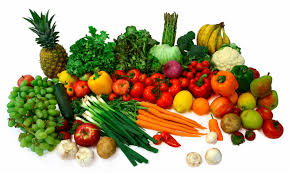
An image of a selection of vegetables to illustrate foods from this food group.
Dark green or cruciferous/brassica
Broccoli, brussels sprouts, bok choy, cabbages, cauliflower, kale
Lettuce, silverbeet, spinach, snow peas
Root/tubular/bulb vegetables
Potato, cassava, sweet potato, taro, carrots, beetroot, onions, shallots, garlic, bamboo shoots, swede, turnip
Legumes/beans
Red kidney beans, soybeans, lima beans, cannellini beans, chickpeas, lentils, split peas, tofu
Other vegetables
Tomato, celery, sprouts, zucchini, squash, avocado, capsicum, eggplant, mushrooms, cucumber, okra, pumpkin, green peas, green beans
Will be back with more information as I always say "Food Is Medicine".
Thank you :)
Foodoneed.blogspot.com
More information on the Five Food Groups:
- Fruit.
- Grain (cereal) foods, mostly wholegrain and/or high cereal fibre varieties.
- Lean meats and poultry, fish, eggs, tofu, nuts and seeds and legumes/beans.
- Milk, yoghurt cheese and/or alternatives, mostly reduced fat.
- Vegetables and legumes/beans.

Choose fruits from these different fruit categories:
Apple, orange, banana, pear and grapes.
Pome fruits such as apples and pears
Citrus fruit such as oranges, mandarins and grapefruit
Stone fruit such as apricots, cherries, peaches, nectarines and plums
Tropical fruit such as bananas, paw paw, mangoes, pineapple and melons
berries
Other fruits such as grapes and passionfruit.
Grains:

The main sub-groups are:
Breads - Wholemeal, wholegrain, white, rye, pita, lavash, naan, focaccia, crispbreads, damper
Breakfast Cereals - Ready to eat, high fibre (wholegrain) oats, porridge, muesli, wholewheat biscuits
Grains - Rice, barley, corn, polenta, buckwheat, spelt, millet, sorghum, triticale, rye, quinoa, semolina
Other products - Pasta, noodles, English muffin, crumpet, rice cakes, couscous, bulgur, popcorn, flour.
Meat, Poultry, Legumes & Nuts:
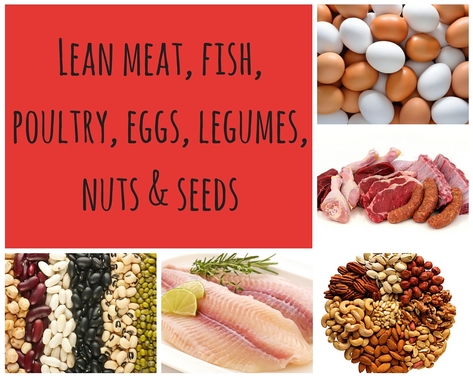
Foods from this food group fall into 6 categories. Examples include:
Lean meats - Beef, lamb, veal, pork, kangaroo, lean (lower salt) sausages
Poultry - Chicken, turkey, duck, emu, goose, bush birds
Fish and seafood - Fish, prawns, crab, lobster, mussels, oysters, scallops, clams
Eggs - Chicken eggs, duck eggs
Nuts and seeds - Almonds, pine nuts, walnut, macadamia, hazelnut, cashew, peanut, nut spreads, pumpkin seeds, sesame seeds, sunflower seeds, brazil nuts
Legumes/beans - All beans, lentils, chickpeas, split peas, tofu.
Milk Products & Milk:

Examples of milk, yoghurt, cheese and/or alternatives include:
Milks - All reduced fat or full cream milks, plain and flavoured, long life milks, powdered milk, evaporated milk, soy beverages (fortified with at least 100mg calcium/100mL)
Yoghurt - All yoghurts including reduced fat or full cream, plain and flavoured, soy yoghurt (calcium fortified)
Cheese - All hard cheeses, reduced or full fat for example cheddar, red Leicester, Gloucester, Edam, Gouda Soy cheeses (calcium fortified).
Vegetables & Legumes:
Vegetables can be broken up into different groups, with each group providing their own unique nutrients. The main sub-groups for vegetables are:
An image of a selection of vegetables to illustrate foods from this food group.
Dark green or cruciferous/brassica
Broccoli, brussels sprouts, bok choy, cabbages, cauliflower, kale
Lettuce, silverbeet, spinach, snow peas
Root/tubular/bulb vegetables
Potato, cassava, sweet potato, taro, carrots, beetroot, onions, shallots, garlic, bamboo shoots, swede, turnip
Legumes/beans
Red kidney beans, soybeans, lima beans, cannellini beans, chickpeas, lentils, split peas, tofu
Other vegetables
Tomato, celery, sprouts, zucchini, squash, avocado, capsicum, eggplant, mushrooms, cucumber, okra, pumpkin, green peas, green beans
Will be back with more information as I always say "Food Is Medicine".
Thank you :)
Foodoneed.blogspot.com