Nutrition After Cancer
Choosing
to eat a diet filled with fresh fruits and vegetables and other
unprocessed, low-fat foods will help you regain strength after prostate
cancer treatment. Nutritious eating can also reduce the risk of heart
disease, high blood pressure, obesity, and diabetes. In addition, recent
research suggests that making healthy food choices in your survivorship
may lower your risk of recurrence and help you live longer.
Diet and Nutrition
Differences
in diet and lifestyle may account for the variability of prostate
cancer rates in different countries. Good nutrition may help reduce the
risk of developing prostate cancer, slow progression of the disease and
prevent aggressive disease. In this section, we discuss guidelines for a
healthy diet for good prostate health and guidelines for a healthy diet
while in treatment for prostate cancer. These tips, however, should
never be used as a replacement for treatment.
Guidelines for a Healthy Diet
Your diet should be:
- Primarily plant based
- Include plenty of fruits and vegetables
- High in fiber
- Low in fat
- Limited in the amount of simple sugars
Diet Tips for Prostate Health
1. Eat Fruits and Vegetables
Fruits
and vegetables contain large amounts of cancer-fighting and
inflammation-reducing substances like vitamins, polyphenols,
antioxidants, minerals and natural fiber. Most men and women do not
consume the recommended daily intake of fruits and vegetables. If you
are working to change the way you eat, aim to make manageable changes.
Try to include a variety of fruits and vegetables in your diet.
Cruciferous
vegetables (includes broccoli, cauliflower, Brussels sprouts, kale and
cabbage) have phytochemicals that reduce Oxidative stress or oxygen free
radicals in the body which means a lower risk of prostate cancer and
its aggression
Carrots are rich in nutrients and contain antioxidants beta-carotene and falcarinol that reduce the risk of cancer

Tomatoes
are a rich source of a phytochemical called lycopene which attacks free
radicals helping the body lower the risk of prostate cancer and its
aggression
Mushrooms help fight cancer by building the immune system
with a supply of compounds called beta glucan and proteins called
lectin which have shown to attack cancer cells
Pomegranates,
particularly pomegranate juice, have been shown to slow PSA doubling
time and may help prevent prostate cancer recurrence after primary
treatment
Grapes and grape juice are rich sources of resveratrol, a
type of natural phytochemical that belongs to a larger group of
phytochemicals called polyphenols that possess potent antioxidant and
anti-inflammatory properties
Grapefruit contains several phytochemicals including naringenin, limonin, beta-carotene and lycopene
Oranges,
lemons and other citrus fruits help protect against DNA-damaging free
radicals because they contain hundreds of bioactive compounds including
flavonoids and monoterpenes
Avocados contain the highest amount of the carotenoid luteinutein of all common fruit
Peppers and jalapenos contain a chemical, capsaicin, which neutralizes certain cancer causing substances
Apples
are a good source of fiber, vitamin C and contain quercetin, a
flavonoid that shows both anti-oxidant and anti-inflammatory properties
Berries
(raspberries and blueberries) are an excellent source of vitamins C and
K, manganese and a good source of fiber and blueberries are among the
fruits highest in antioxidant power because of the many phytochemicals
they contain
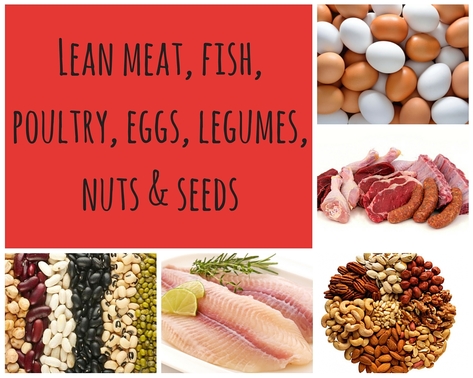
2. Limit Consumption of Animal Protein
Diets
high in red meat, dairy products and animal fat have frequently been
connected with the development of prostate cancer. Red meat (such as
beef, pork and lamb) is particularly tied to aggressive prostate cancer.
3. Seek Plant Protein
Plant-based protein like beans, flax
and nuts contain quercetin and lignans that suppress the growth of many
kinds of cancer including prostate cancer.
4. Green Tea
Green
tea contains polyphenols and flavonoids which are strong antioxidants.
Tea is the best source of catechins which are being studied for their
anti-cancer properties. Green tea has been shows to slow and/or prevent
the development of prostate cancer.
5. Whole Grains
Whole
grains include brown rice, oatmeal, corn, whole wheat bread, barley,
bulgar, kasha, millet, faro, quinoa, and more. Whole grains are great
sources of fiber and magnesium and provide protein. Choose food made
with whole grain over processed foods.
6. Limit Sugary Drinks
Cutting
down on surgery carbonated beverages and drinking water can speed
metabolism and flush the body of cancer-causing substances.
7. Choose Organic Foods when Possible
Organically
grown food is free of harmful chemicals and pesticides, including BPA, a
known prostate cancer carcinogen. Organically grown foods have more
nutrients than usually taste better.
Tips for Nutrition During Cancer Treatment
Maintain a healthy weight. For many men, this means avoiding weight
loss by getting enough calories on a daily basis. For men who are
overweight and are obese, this may mean losing some weight. If you are
trying to lose weight, it should be moderate, meaning only about a pound
a week.
Get essential nutrients the body needs, such as protein,
carbohydrates, fiber, vitamins, minerals, phytonutrients, such as
carotenoids, and water. Not only will your body function better, you
will feel better.
Be as active as you can, such as taking a daily
walk. If you sit or sleep too much, you may lose muscle mass and
increase your body fat, even if you are not gaining weight.
Cancer
treatment often causes side effects, such as nausea, mouth sores, and
taste changes that may make it difficult to eat or drink. Follow these
tips to help you get the nutrition you need:
- If water tastes
unpleasant to you, take in more liquid though items such as soup, tea,
milk or milk substitutes such as almond milk, or a sports drink. Or,
flavor your water by adding fresh cut fruit.
- If food tastes bland, try seasoning it with flavorful spices such as garlic, cayenne, dill, and rosemary.
- Eat several small meals throughout the day instead of trying to eat large amounts of food at one time.
- Enhance your protein intake with protein from foods such as fish, egg whites, cheese, beans, or high protein smoothies.
-
Suck on mints, chew on gum, or try fresh citrus fruits if you have a
metallic taste in your mouth. Brushing your teeth before eating, using
plastic utensils, and cooking in glassware can also help.
- If you
have mouth sores or a gum infection, use a blender to make vegetables
and meats smooth. Try juicing or making smoothies.Some side effects are
often treated with medication, so talk with your doctor or another
member of your health care team for more information.
Food Safety:
People
receiving cancer treatment need to be aware of food safety, because
some treatments may weaken the immune system and lead to an infection.
An infection occurs when harmful bacteria, viruses, or fungi, such as
yeast, invade the body and the immune system is not able to destroy them
quickly enough. Here are some basic food safety tips to reduce the risk
of infection.
- Wash your hands before and during the handling and preparing of food.
- Wash vegetables and fruit thoroughly before eating them.
- Handle and store food appropriately. For example, keep raw meat away from other foods when cooking.
-
Eat thoroughly cooked foods. For example, do not eat eggs that are not
cooked solid, and do not eat raw fish, oysters, or shellfish.
- Avoid drinking unpasteurized beverages, such as unpasteurized cider, raw milk, and fruit juices.
Hope this was helpful. Thank you.